

+917490977070

Currently it only shows your basic business info. Start adding relevant business details such as description, images and products or services to gain your customers attention by using Boost 360 android app / iOS App / web portal.

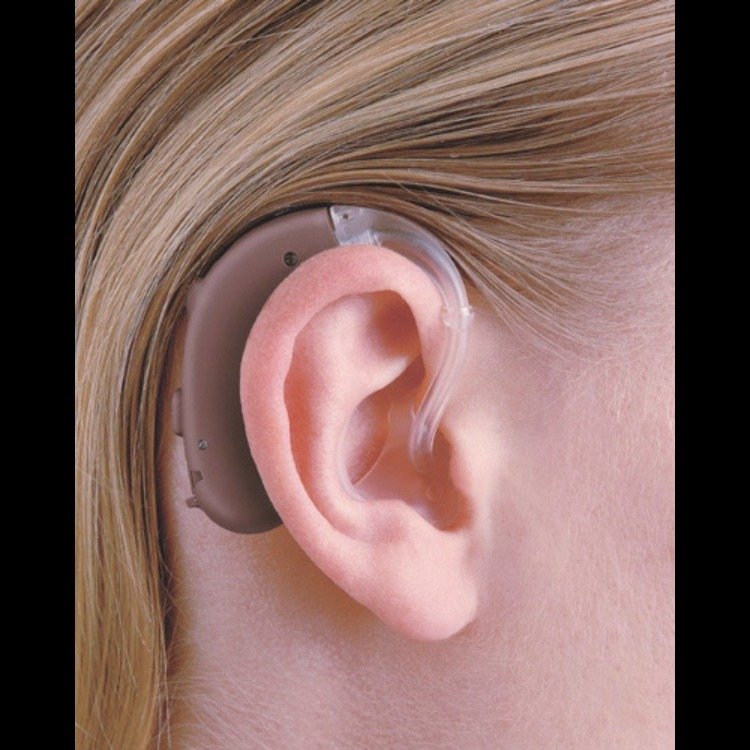
A hearing device that amplifies sound to help you hear more clearly in everyday situations. - Modern hearing devices go beyond simple amplification. They tune sounds to your ears, reduce background noise, and support safer, more natural listening. - Key families include Behind-the-Ear (BTE), In-the-Ear (ITE/ITC), and Completely-in-the-Canal (CIC) models, as well as newer digital, rechargeable, and wireless options. Choosing the right style and tech - Digital hearing aid: The backbone of most modern devices. They use digital signal processing to adapt to environments and your listening needs. - BTE vs ITE/ITC/CIC: - Behind-the-Ear (BTE) hearing aid: Durable, versatile, and easy to handle; good for ages from seniors to active users. - In-the-Ear (ITE) and In-the-Canal (ITC): Smaller, less visible, with varying levels of amplification and battery life. - Completely-in-the-Canal (CIC): The most discreet, tucked deep in the canal; great for mild to moderate hearing loss and cosmetics. - Invisible hearing aid: A subset of CIC/ITC designed to be nearly invisible when worn; most appealing to those prioritizing aesthetics. - Rechargeable hearing aid vs disposable: Rechargeable models simplify daily life with built-in batteries and easy docking stations; a strong pick for convenience and environmental reasons. - Wireless and Bluetooth hearing aid options: Stream calls, music, TV, and other audio directly to your ears for a more seamless experience. OTC options and professional care - Over-the-Counter (OTC) hearing aid: Accessible devices designed for adults with perceived mild to moderate hearing loss. They’re a good starting point for many, but may lack advanced fine-tuning. - Hearing test and audiologist: A professional hearing test and tailored hearing aid fitting ensure the device meets your specific hearing profile and lifestyle needs. - Hearing care center: A place to get a comprehensive evaluation, ongoing support, maintenance tips, and troubleshooting guidance. How to choose the right hearing aid - Assess your hearing loss and lifestyle: - Do you need a device for hearing tests at home, or in busy environments? - Do you want discreet wear (in-the-ear or invisible) or easier handling (BTE)? - Is Bluetooth/wireless streaming important for calls and TV? - Consider the fit and comfort: - Ear shape, ear canal size, and wax management impact comfort and performance. - A proper hearing aid fitting ensures the device sits correctly, the amplification matches your loss, and the feedback is minimized. - Evaluate battery or power needs: - Rechargeable options reduce the hassle of frequent battery changes. - Some users prefer disposable batteries for longer life in certain models. - Budget and value: - Best hearing aids for seniors aren’t always the most expensive. Look for a good balance of features, support, and durability. - Compare hearing aid price across brands and models, including post-purchase maintenance costs. Popular features you’ll encounter - Sound amplification and noise reduction: Core to all devices, with adaptive programs for conversations, TV, outdoors, and restaurants. - Feedback management: Reduces whistling and squealing. - Directional microphones: Focus on the person speaking in front of you while dampening background noise. - Tinnitus solutions: Some devices offer masking or suppression features to help with tinnitus alongside hearing loss. - Health and maintenance alerts: Reminders for cleaning, filter changes, and battery status. - Ear health and comfort: Custom domes and earmolds help fit and reduce irritation. Long-tail considerations: practical tips for real life - Best hearing aids for seniors: Look for ease of use, comfortable fit, clear call quality, and reliable aftercare. - Affordable hearing aids: Explore a balance of price, warranty, and service plans; consider both OTC options and professional fittings. - How to choose a hearing aid: Start with a hearing test, then compare styles, power, and features that match your daily activities. - Rechargeable vs disposable hearing aids: Rechargeable models simplify life, but ensure you understand charging times and battery lifespan. - Hearing aid maintenance tips: Regular cleaning, wax guards, battery care, and storage protect performance. - Hearing aid troubleshooting guide: Learn basic steps for feedback, connection issues, or poor amplification, and when to contact your audiologist. - Wireless hearing aid options: Bluetooth compatibility for streaming calls, music, and media directly to your devices.


