

+917490977070

Currently it only shows your basic business info. Start adding relevant business details such as description, images and products or services to gain your customers attention by using Boost 360 android app / iOS App / web portal.

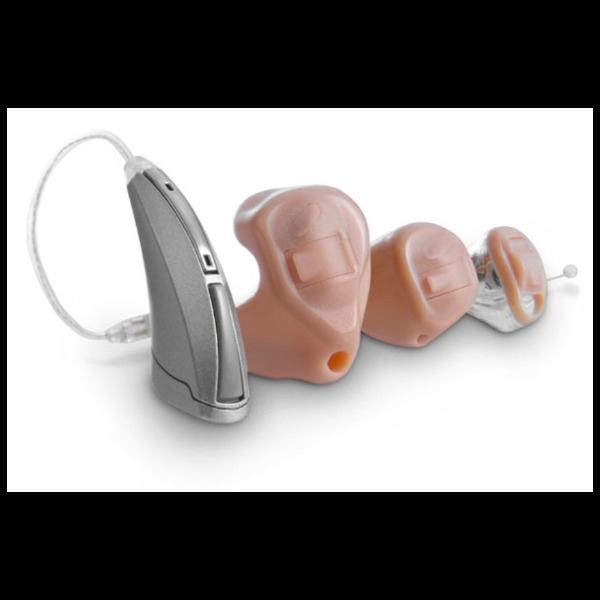
Hearing Aid for Hearing Loss: Your Guide to Better Hearing Solutions Hearing loss affects more than just the ears; it changes how you connect with people, enjoy sounds, and engage with daily life. If you’re exploring options, you’re not alone. From a simple hearing test to advanced devices, there are many ways to improve hearing naturally and regain confidence in conversations, work, and recreation. Why consider a Hearing Aid for Hearing Loss? - Hearing loss varies in degree and type, so the right solution is personalized. - Modern hearing aids are designed to amplify sound while preserving speech clarity, reducing listening fatigue. - The best hearing aid solution combines technology, fitting, and support from trusted professionals. Key steps in selecting the right solution 1) Hearing Test and Evaluation A comprehensive hearing test is the foundation for choosing the right device. At a reputable Hearing Care Services facility, an audiologist will assess your hearing, diagnose the type of loss, and discuss lifestyle needs. This Hearing Aid Consultation helps you understand what to expect and which devices align with your goals. 2) Hearing Aid Fitting and Customization No two ears are alike. A precise Hearing Aid Fitting ensures comfort, optimal amplification, and minimal feedback. Skilled clinicians adjust volume, programs, and directionality to suit your everyday environments—quiet rooms, busy streets, meetings, and entertainment. 3) Choosing the Right Style There are several options, each with its own advantages: - Behind-the-Ear (BTE) and Receiver-in-Canal (RIC) devices offer robust power and ease of use for many adults. - Invisible Hearing Aids provide discreet amplification for those who prefer a low-profile appearance. - Rechargeable Hearing Aids simplify daily life with long-lasting batteries and fewer replacements. - Advanced Hearing Aids use sophisticated algorithms to separate speech from noise, improving understanding in challenging settings. 4) Ongoing Support and Maintenance Hearing care is an ongoing partnership. Regular follow-ups, fine-tuning, and hearing rehabilitation activities help you adapt to the new devices and maximize benefits. Hearing Aid Types and Benefits - Digital Hearing Aids: Modern digital devices convert sound precisely, adapt to environment, and minimize background noise. - Advanced Hearing Aids: Features like directionality, feedback management, and machine learning personalization provide a better listening experience. - Invisible Hearing Aids: A discreet choice without visible devices, ideal for social and professional settings. - Rechargeable Hearing Aids: Built-in power with easy charging keeps you in the moment without frequent battery changes. - Hearing Aid for Hearing Loss Best Hearing Aid Solution: A well-chosen mix of technology and customization often delivers the strongest overall benefit. Hearing Loss Treatment: Beyond the Device A device is only part of the solution. Effective hearing loss management includes: - Hearing Rehabilitation: Exercises, training, and therapy to improve speech perception and cognitive processing. - Counseling and Communication Strategies: Techniques to improve conversations in noisy environments, such as face-to-face communication and reduced background noise. - Audiologist Near Me: Access to qualified professionals for ongoing evaluation, troubleshooting, and guidance. - Better Hearing Solutions: A holistic approach that blends device technology with practical strategies and support. Hearing Aid Benefits: What to Expect - Improved speech understanding in quiet and noisy environments. - Reduced listening effort in daily activities. - Enhanced safety awareness in traffic and public spaces. - Greater participation in conversations, hobbies, and family life. - Increased confidence in social and professional settings. Hearing Aid Center: Finding the Right Partner Choosing a Hearing Aid Center with experienced clinicians ensures you receive a thorough evaluation, personalized recommendations, and skilled aftercare. Look for: - A comprehensive Hearing Test and diagnostics - Transparent pricing and clear explanations of benefits - Trial periods to experience how devices fit your life - A clear plan for follow-up visits and adjustments Speech and Hearing Clinic: A Full-Spectrum Approach For many, hearing health is part of broader communication and health concerns. A Speech and Hearing Clinic can offer: - Speech and language therapy if needed in conjunction with amplification - Counseling on coping with hearing loss - Programs to improve communication in families and workplaces - Support groups and educational resources Hearing Care Services: What They Should Include - Precise hearing assessment - Custom device fitting and programming - Maintenance and repair services - Education on device use and maintenance - Access to the latest technology and product types Practical Tips for Getting Started - Schedule a Hearing Test with a reputable clinic to determine the degree and type of loss. - Discuss your daily routines, listening environments, and goals with the audiologist. - Try different devices if possible (some clinics provide demonstrations or trials). - Consider Rechargeable Hearing Aids for convenience and reliability. - Explore Invisible Hearing Aids if aesthetics are a priority. - Ask about digital features that support speech in noise and automatic adjustments. - Plan follow-up visits for fine-tuning and rehabilitation support. Common Myths About Hearing Aids - “Hearing aids will restore hearing exactly as it was.” They amplify and enhance, but gradual adaptation and rehabilitation help you maximize benefit. - “They’re only for the elderly.” People of all ages experience hearing loss, and modern devices are suitable for many lifestyles. - “If I can hear fine without them, I don’t need one.” Even mild loss can impact conversations and safety; early intervention helps. Digital vs. Analog: Why Digital is Usually the Best Hearing Aid Solution Digital hearing aids adapt to your environment in real time, analyze sounds, reduce noise, and emphasize speech. This makes them a preferred option for most patients seeking the Best Hearing


