

+917490977070

Currently it only shows your basic business info. Start adding relevant business details such as description, images and products or services to gain your customers attention by using Boost 360 android app / iOS App / web portal.

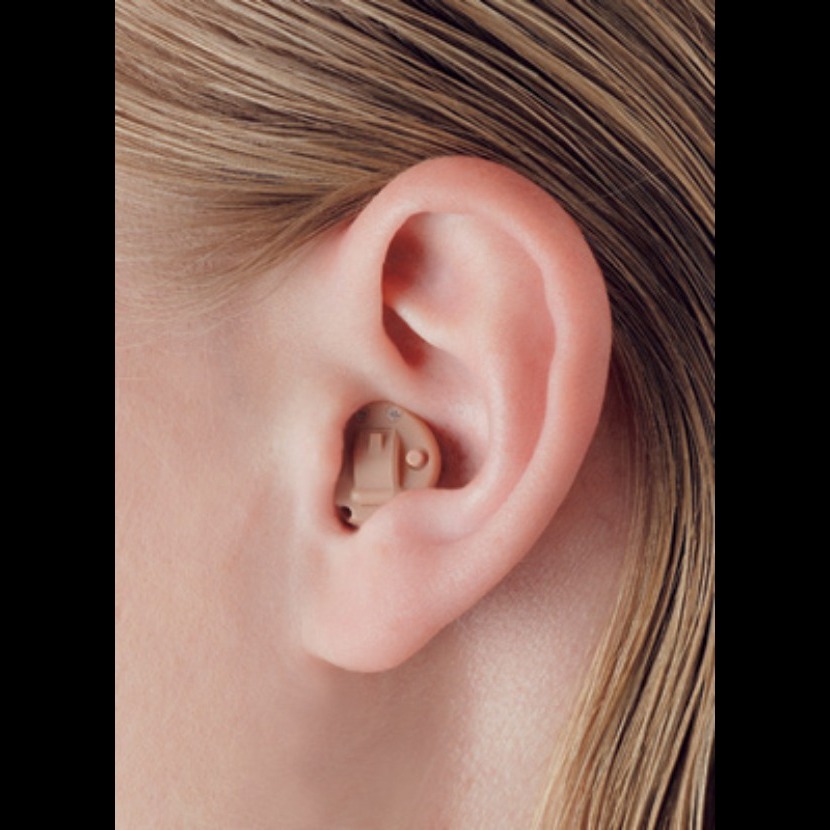
If you’ve ever wondered how people with hearing loss stay perfectly plugged into the world around th... If you’ve ever wondered how people with hearing loss stay perfectly plugged into the world around them, you’re not alone. Hearing aids have evolved from clunky devices to sleek, powerful tools powered by modern audiology science. This guide brings together the key ideas, options, and care tips so you can navigate Hearing care with confidence. Understanding Hearing Loss and the Path to Help - Hearing loss types: Sensorineural, Conductive, and Mixed. Sensorineural is the most common, often addressed with digital hearing aids. Conductive loss may be improved with medical treatment or assistive devices, while mixed involves both outer/m middle ear issues and inner-ear damage. - Hearing test and Audiogram: The journey begins with a comprehensive Hearing test to map your hearing thresholds across frequencies. An audiogram provides a visual representation that helps an audiologist tailor a device to your needs. - Why hearing aids matter: Even mild hearing loss can affect speech recognition, social interaction, and quality of life. Proper Hearing care can restore clearer conversations and reduce listening fatigue. Types of Hearing Aids: Find What Fits Your Ear and Lifestyle - BTE (Behind-the-Ear): A versatile option connected to an earmold or dome. Great for many ages and levels of hearing loss, with robust durability and features. - RIC / RITE (Receiver-in-Canal): Slimmer than BTEs; the receiver sits in the ear canal. Excellent for mild to severe loss and often favored for its discreet profile. - ITE (In-the-Ear): Custom-made to fit the outer ear cavity. Good for mild to moderate loss and easy handling. - ITC (In-the-Canal) and CIC (Completely-in-Canal): Smaller, more discreet designs that sit deeper in the canal. Ideal for mild to moderate loss and those who want virtually invisible devices. - Invisible hearing aid: The pinnacle of concealment? Very small devices that fit deep in the ear canal. Trade-offs include battery life and some fitting limitations. - Rechargeable hearing aid: Say goodbye to frequent battery changes. Rechargeable models with convenient charging options are increasingly common. Technology & Features: The Modern Hearing Aid Landscape - Digital hearing aid: Modern devices process sound with digital signal processing, enabling smarter adjustments and features. - Noise reduction and Feedback cancellation: Reduce background noise and irritating feedback, so conversations stay clear. - Directional microphones: Focus on sound in front of you while reducing noise from other directions. - Wireless connectivity and Bluetooth: Pair with phones, TVs, and other devices for streaming audio and hands-free calls. - Smartphone compatibility: Custom controls and settings via apps, plus direct streaming from iOS or Android devices. - Speech enhancement: Algorithms that emphasize speech cues to improve clarity in busy environments. - Tinnitus masking: Some devices offer sound therapy to help manage tinnitus in addition to amplification. - Accessories & Care: Hold everything together with properly designed accessories to maximize performance. - Hearing aid batteries and Rechargeable battery: For non-rechargeables, battery technology varies; rechargeables simplify daily use. - Hearing aid charger: Convenient stations and docks for multiple devices. - Ear mold: For BTE styles, ear molds ensure a precise seal and comfort. - Hearing aid cleaning kit: Regular cleaning extends life and performance. - Wax guard: Keeps debris from entering the receiver or microphone. - Hearing Aid options also include specialized configurations for different use cases, such as a setup for seniors, pediatric devices for children, or models tailored to mild, moderate, or severe hearing loss. Care, Maintenance, and Longevity - Regular cleaning and wax management are essential for consistent performance. - Battery and charger upkeep ensure devices stay ready when you need them. - Wax guards and earmolds require periodic inspection and replacement. - Routine follow-ups with your Audiologist or audiologist are crucial to adjust settings as hearing changes over time. Who Uses Hearing Aids—and Why They Matter - Seniors: Hearing aids can dramatically improve communication, reduce isolation, and support safer daily living. - Pediatric hearing aids: Early intervention supports speech and language development; pediatric fitting requires careful calibration and family involvement. - For mild hearing loss: Even small improvements can enhance clarity in conversations and social situations. - For severe hearing loss: Powerful digital processing, multi-channel amplification, and features like directional microphones and robust Bluetooth connectivity can make a meaningful difference. - Audiology and audiologist roles: These professionals diagnose, fit, and adjust devices, performing Hearing Loss & Testing and providing ongoing Hearing care. Finding Your Fit: The Audiology Experience - The process starts with a hearing test and analysis of your audiogram. - Your audiologist matches you with the right Type of Hearing Aids and fine-tunes the settings to optimize Speech recognition in your daily environments. - Real-world trials help determine the best combination of technology and features, including whether a rechargeable or traditional battery model is best for you. - They also guide you on social aspects of use, potential accommodations in certain environments, and how to handle noise-heavy situations. Practical Scenarios: How Hearing Aids Help in Real Life - In a noisy restaurant, directional microphones and noise reduction can help you better hear the person in front of you. - On a video call, Bluetooth hearing aid and smartphone compatibility make conversations smoother with clear audio streaming. - In lectures or classrooms, speech enhancement features can improve understanding for students and educators alike. - For music lovers, streaming quality and high-fidelity microphones let you enjoy richer sound from your devices.


